
Managing workforce compliance can become complicated long before an organization realizes it needs better technology. Training records may sit in one system, employee information in another, certification details in spreadsheets, and reminders in email inboxes.
Compliance Software should help HR and compliance teams bring these activities together, reduce repetitive work, track employee requirements, provide useful reporting, and make compliance information easier to act on. The most important capabilities include centralized management, training tracking, automation, reporting, role-based management, certification visibility, employee usability, scalability, and practical AI functionality.
Focus on the capabilities your team will actually use every day. It is to find technology that solves the problems your team actually faces.
For example, if your biggest challenge is manual follow-up, automation matters more than an impressive analytics screen. If your challenge is fragmented employee information, centralized visibility should be a priority.
Compliance Gets Harder When Your Team Can’t See the Full Picture
Compliance management often grows organically. An organization adds a training tool, then a spreadsheet for certifications, then shared folders for documentation. Each addition solves a specific problem, but together they can create a fragmented process.
HR and compliance teams may then spend time:
- Searching for employee records
- Checking training completion manually
- Sending repeated reminders
- Combining information for reports
- Reviewing multiple sources before making decisions
The problem is not necessarily a lack of compliance activity. It is the difficulty of seeing the complete picture.
A centralized system can help teams move from scattered information → centralized visibility → faster action.
What Should HR Teams Actually Expect From Compliance Software?
Good compliance software should help a team answer three questions:
What has been completed? What needs attention? What should we do next?
To support those answers, a modern platform should bring together training management, employee progress, compliance activities, certifications, workflows, and reporting.
Look for technology that can:
- Centralize compliance information
- Assign and manage training
- Track employee progress
- Monitor outstanding requirements
- Automate routine reminders
- Manage certification information
- Generate useful reports
- Support role-based learning
- Scale as the workforce grows
The right solution should make compliance management easier for administrators without creating unnecessary friction for employees.
Start With Visibility: Can You See Every Employee’s Compliance Status?
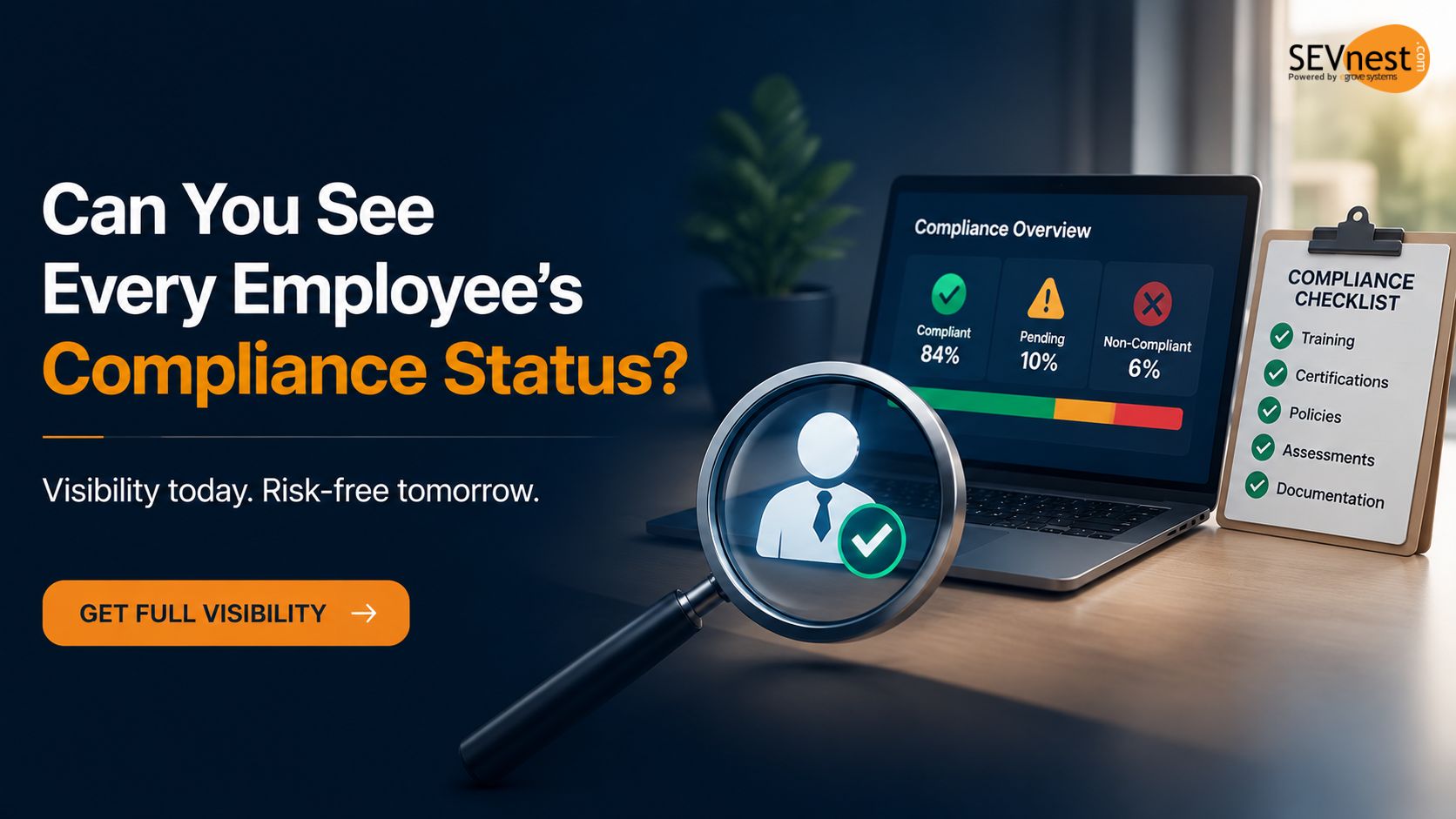
Centralized visibility is one of the most important capabilities to evaluate.
A useful platform should allow HR and compliance teams to understand employee status without manually combining information from several sources.
Depending on your requirements, this may include:
- Training completion
- Employee progress
- Pending activities
- Certification status
- Compliance records
- Reporting information
The value is not simply having a dashboard. The dashboard should help teams identify what requires attention.
If a manager can quickly identify employees who have incomplete learning or outstanding requirements, the system becomes a decision-support tool rather than just a record-keeping system.
Replace Manual Follow-Ups With Automated Workflows
Manual reminders can consume a surprising amount of administrative time.
A platform should help automate routine activities such as:
- Training assignments
- Reminder notifications
- Recurring learning
- Follow-up activities
- Certification-related notifications
Automation matters when it removes repetitive work while keeping administrators in control.
Before choosing a platform, ask:
“Look for areas where automation can take routine work off your team’s plate.”
That question is more useful than simply asking whether a vendor offers “automation.”
Make Training Requirements Easier to Manage
Compliance learning should be manageable from the same environment where teams monitor employee progress.
Look for capabilities that support:
- Required learning assignments
- Role-based learning paths
- Training progress
- Completion status
- Refresher learning
- Employee learning records
A strong Compliance management software solution should help administrators understand both what employees need to complete and where they currently stand.
This is particularly important when different departments, roles, or locations have different learning requirements.
SEVnest: Bringing Compliance Training and Workforce Learning Together
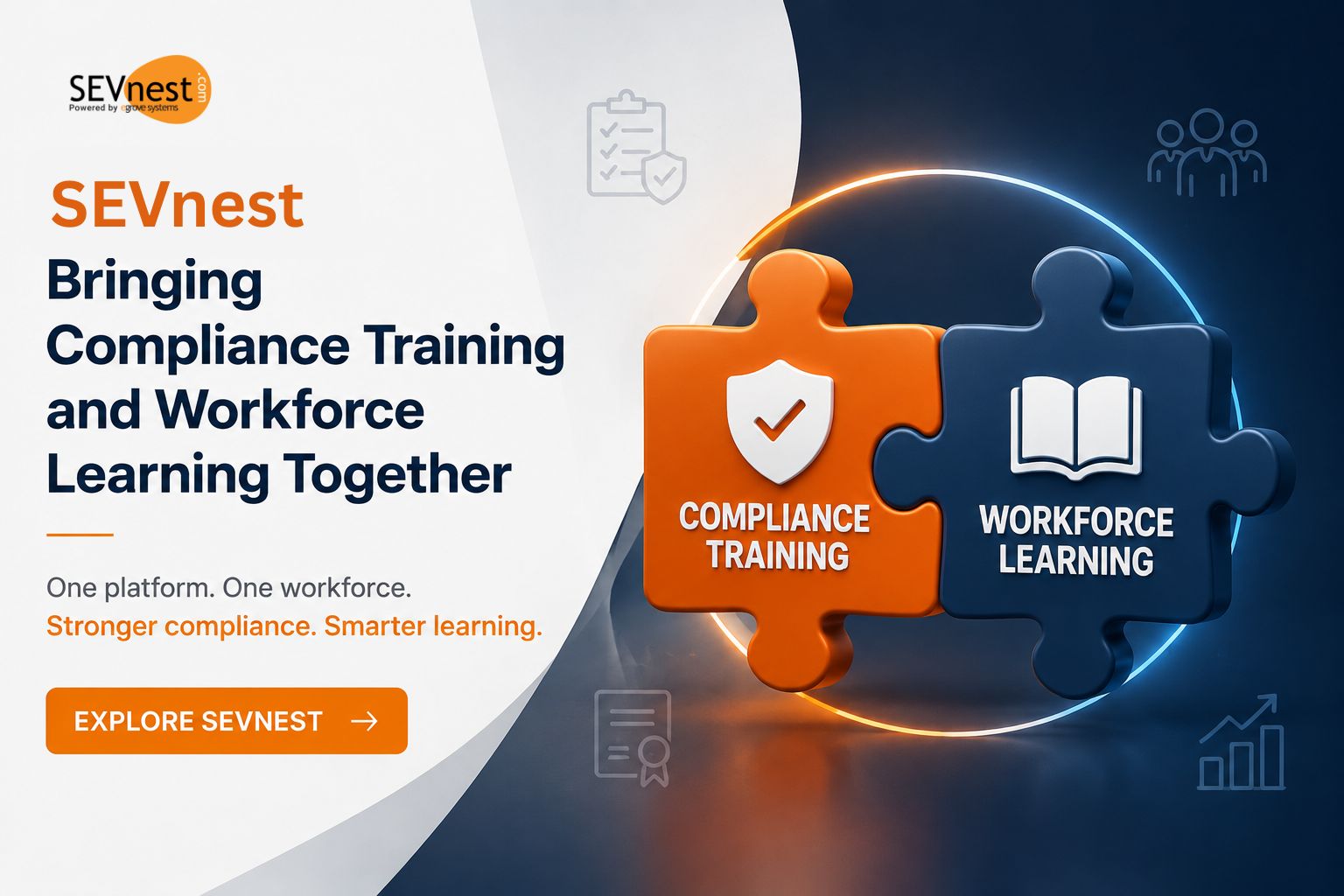
When these capabilities need to work together instead of being managed through disconnected processes, a centralized platform can provide a more practical approach.
SEVnest is an AI-powered compliance readiness and workforce training platform that brings compliance training, employee progress tracking, certifications, reporting, and compliance workflows into one environment. Its platform supports role-based training assignments, automated reminders and workflows, compliance tracking, digital certificates, audit-ready reports, and workforce compliance insights.
SEVnest also supports workforce learning and onboarding, helping organizations manage learning paths and employee progress alongside compliance activities. Its AI-enabled learning capabilities are designed to support more personalized learning and workforce development.
The important question for any organization is not simply whether SEVnest has these capabilities, but whether they match the organization’s actual compliance workflow and workforce needs.
Turn Compliance Data Into Actionable Insights
Reporting should do more than produce spreadsheets.
A useful compliance platform should help teams quickly understand:
- Who has completed training
- What remains outstanding
- Which activities are overdue
- Where employee progress needs attention
- What certification information requires review
The best reporting experience depends on what the organization needs to manage.
For example, an HR manager may need an employee-level view, while a compliance leader may need department-level visibility.
The key is to evaluate whether reports help people make decisions, not simply whether the platform offers many report types.
Don’t Forget the Employee Experience
Compliance software has two important audiences: administrators and employees.
A platform may provide excellent administrative controls but still struggle if employees find it difficult to use.
Look for:
- Simple navigation
- Easy access to assigned learning
- Clear training requirements
- Visible progress
- Mobile-friendly access
- Minimal friction
Employee experience matters because compliance processes depend on consistent participation.
If employees cannot easily understand what they need to complete, even a sophisticated platform can create additional administrative work.
Where AI Can Actually Make Compliance Management Smarter
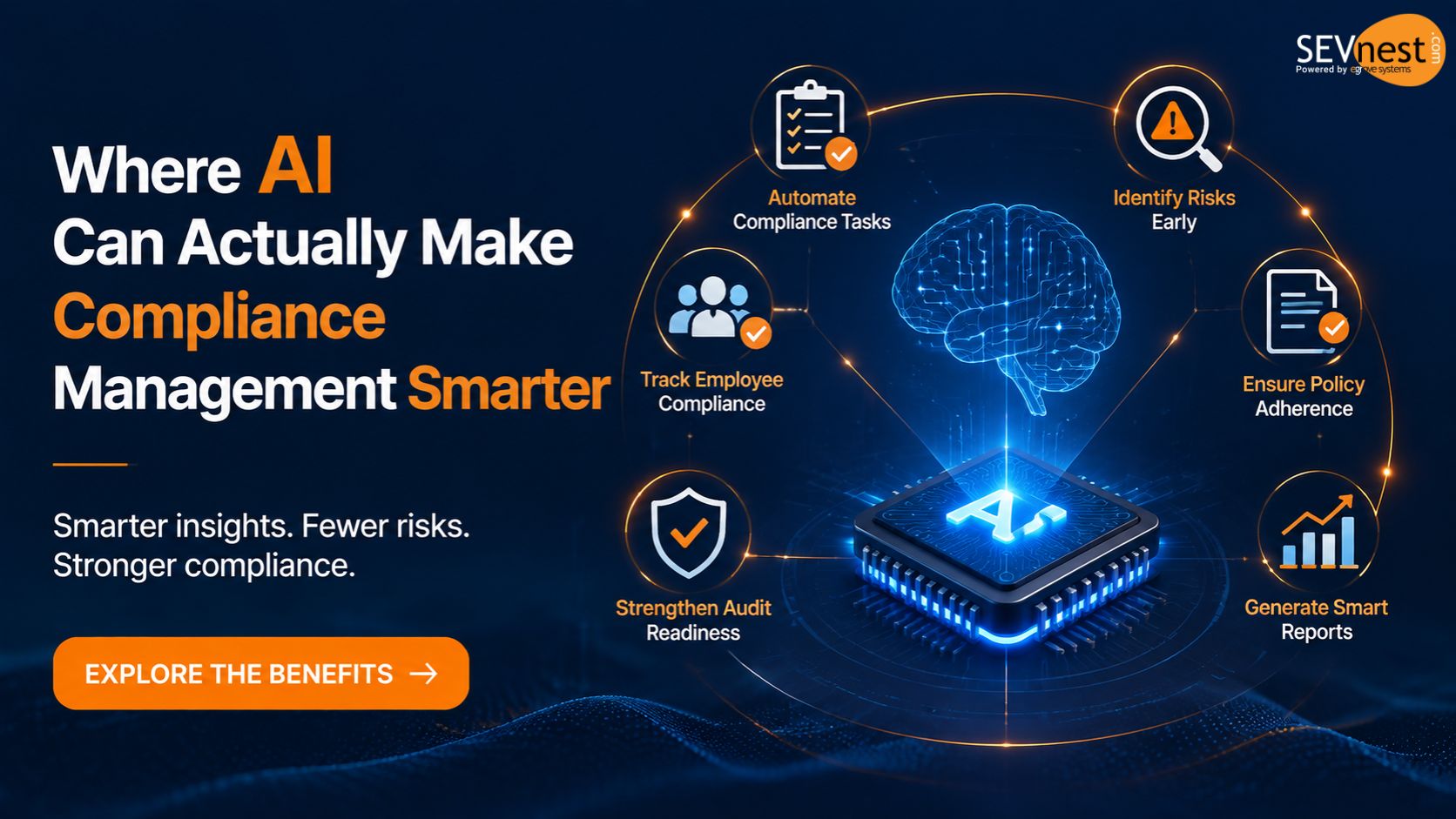
AI should solve a real problem rather than simply appear in a product description.
Useful AI applications can include:
- Personalized learning recommendations
- Intelligent course discovery
- Learning assistance
- Training insights
- Automated workflow support
- Identifying potential learning gaps
For example, an AI-enabled learning platform may help surface relevant learning based on an employee’s role or previous activity.
When evaluating AI, ask:
“Look at where AI can make everyday compliance management easier and more useful.”
Also ask how much human oversight remains in important compliance decisions.
AI can support compliance management, but it should not be treated as a guarantee of compliance or a replacement for professional judgment.
When Is Your Current Compliance Process No Longer Enough?
Your existing process may need improvement if your team regularly experiences several of these issues:
- Too much spreadsheet work
- Constant manual reminders
- Compliance information across multiple systems
- Difficult reporting
- Poor training visibility
- Manually tracked certification dates
- Employees unsure about required learning
- Compliance activities managed reactively
One issue alone may not justify replacing your current system.
Several recurring problems, however, can indicate that your current technology is creating more administrative work than it should.
A Simple Five-Question Test for Your Compliance Software
Before investing in a new platform, ask:
1. Can we see compliance status clearly?
If not, visibility is a major gap.
2. Can we reduce repetitive administration?
Look for useful automation rather than automation for its own sake.
3. Can we manage employee learning effectively?
Training should be easy to assign, monitor, and review.
4. Can we identify what needs attention?
Reports should lead to action, not simply provide data.
5. Can the system scale with us?
Your platform should support workforce growth and changing requirements.
In Short: What Should Good Compliance Software Provide?
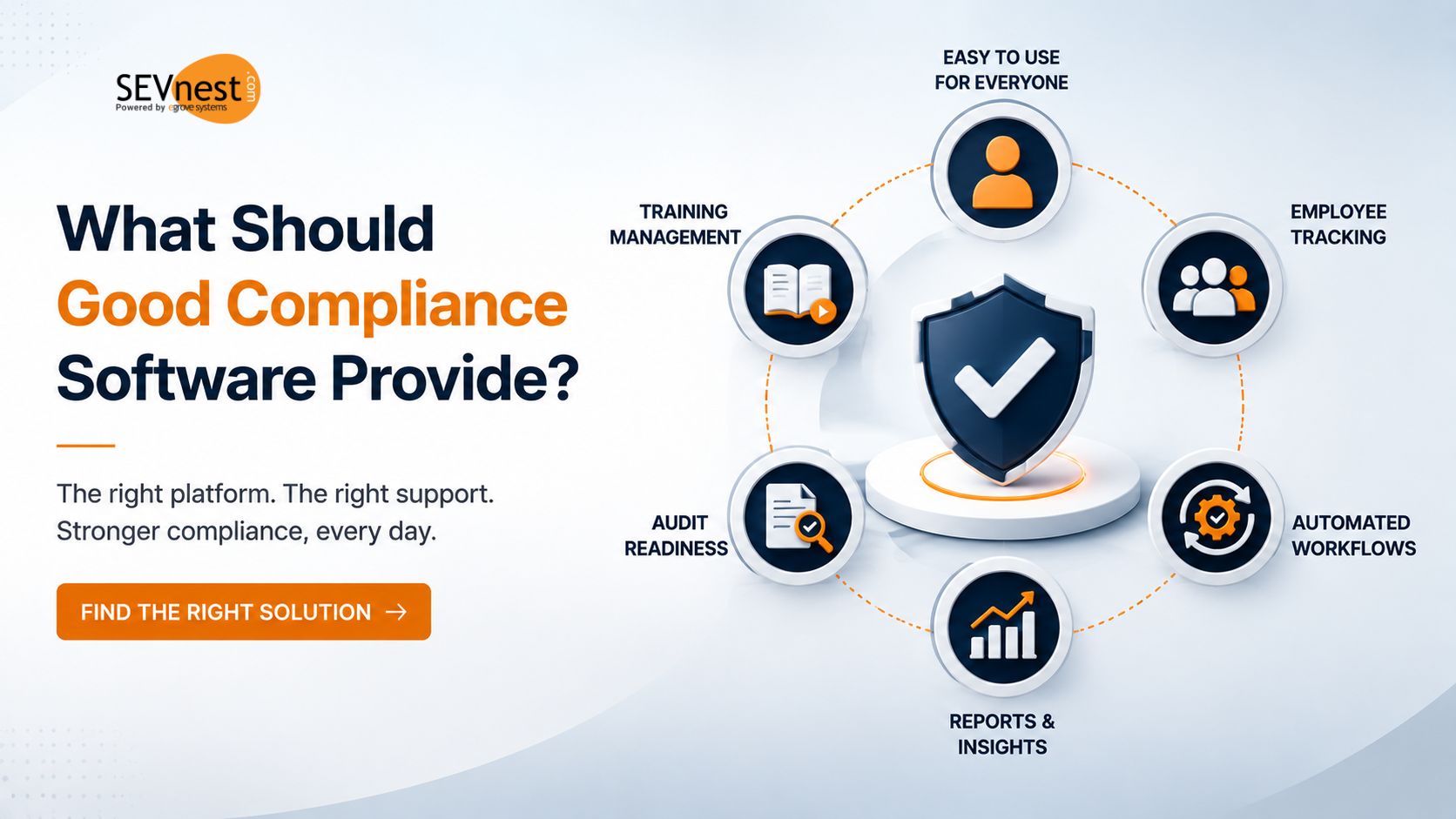
A strong solution should help organizations:
- Centralize compliance information
- Automate repetitive workflows
- Track training and certifications
- Provide clear reporting
- Support role-based management
- Deliver a simple employee experience
- Scale with workforce needs
- Use AI where it provides practical value
The most important consideration is how these capabilities work together.
Final Thoughts
Good compliance software should help HR and compliance teams move away from scattered information and repetitive manual processes toward centralized visibility, automation, and proactive management.
The right platform is not necessarily the one with the most features. It is the one that fits your organization’s workflow, supports employees, gives administrators useful visibility, and helps teams act on the information they already collect.
SEVnest is one platform organizations can explore when looking to bring compliance training and workforce learning into a more centralized environment.
Explore SEVnest to see how it can support a more connected approach to workforce compliance and learning.